Ein geheimnisvolles Schiffsbild im Siq Petras
(dg)) Petra war vor mehr als 2.000 Jahren das Handelszentrum der Nabatäer im heutigen Jordanien. Neben der verkehrstechnisch günstigen Lage trug die besondere Topographie zum Erfolg der Metropole bei. Petra liegt versteckt zwischen schroffen Felswänden. Der Ort war nur über eine etwa 70 Meter tiefe Felsschlucht, den Siq (deutsch „Schacht“), erreichbar.
Der Siq verbirgt noch heute zahlreiche Schätze der Weltkultur, die nur wenigen Historikern bekannt sind. Eines ist eine einzigartige Schiffsdarstellung, die es dort eigentlich gar nicht geben dürfte. Außerdem hat sich bis heute im Siq ein geniales Bewässerungssystem erhalten. Es zählt zu einer der ingenieurstechnischen Höchstleitungen der Erbauer der Felsenstadt.
Die sichere Wasserversorgung und strategische Lage machten Petra zu einer bevorzugten Station für die Karawanen aus dem Süden Arabiens, die überwiegend mit Luxusgütern für Abnehmer aus dem gesamten Mittelmeerraum beladen waren. In umgekehrter Richtung gelangten über Petra Waren aus der Levante, zu den Märkten des fernen Jemen und Omans.
Diese Fernhandelsgeschäfte benötigten hochkomplexe Transportmittel. Eines der besonderen Art, wurde erst jüngst in Petra entdeckt. Es zeigt ein antikes Segelschiff mit einem Dreieck-Quersegel. Wir kennen diese besondere Betakelung schon aus dem prädynastischen Oberägypten (3.500 v. Chr.) oder unserer Felsbildexpedition in der Bergwelt Teneriffas (vermutlich auch frühes 3. Jts. v. Chr.). Doch wie kommt ein solcher Segler mit einer speziellen Takelage in die jordanische Wüste? Woher hatten jene Händler das Wissen über das Dreieck-Quersegel?
Der Archäologe Mamoun Al Navafleh ist der Meinung, dass wir es hier mit einem ältesten Beispiel eines Lateinerseglers zu tun haben. Das stimmt jedoch nur zum Teil, denn bereits ab dem 1. Jh. v. Chr. erscheinen diese bei den Griechen nach ihrem ersten Verschwinden im frühen Alten Reich in Ägypten wieder. Es wird schnell von den Römern übernommen und für mehr als 1.500 Jahre die dominierende Takelage mediterraner Handelssegler.
Es ist schon außergewöhnlich einen solchen Segler ausgerechnet im nabatäischen Petra wiederzuentdecken. Diese Takelage besitzt bessere aerodynamische Eigenschaften als ein altertümlicher Rahsegler. Selbst die Phönizier verfügten nicht über diese effizientere Besegelung. Mamoun führt als Begründung an, dass die Nabatäer mit dieser Takelage vor allem Piraten an der Küste des Roten Meer erfolgreich bekämpften und sich die Kenntnis des Dreieck-Quersegels so ihren Weg ins Mittelmeer bahnte.
Ein weiteres Highlight ist die effiziente Wasserversorgung Petras. Sowohl Brauch- als auch Trinkwasser wurden über in den Fels gemeißelte Aquädukte in die Stadt geleitet. Die höchst komplexe Wasserversorgung umfasste mehr als 200 Zisternen. Dieses ausgeklügelte Kanalsystem muss man als Geniestreich bezeichnen, und machte eine wichtige Voraussetzung für den Erfolg Petras aus.
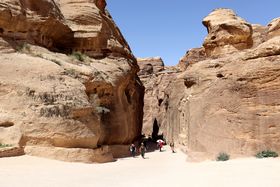
Der Eingang zum Siq und zur Felsenstadt Petra. Die schroffen Felswände winden sich am Ende mehr als 100 m hoch auf. Der Siq als Hauptzugang zu Petra ist an manchen Stellen kam mehr als 3 m breit und konnte so von den Nabatäern leicht verteidigt werden. //
The entrance of the Siq and to the rock city of Petra. At the end, the rugged rock faces wind up more than 100 m high. The Siq, as the main entrance to Petra, is more than 3 m wide in some places and was thus easily defended by the Nabataeans.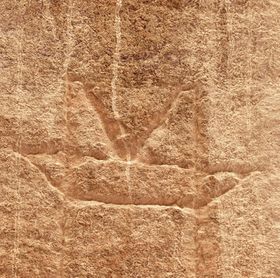
Im oberen Drittel der Felsenschlucht befindet sich diese einmalige Schiffsdarstellung. Sie zeigt ein Boot mit einem Dreieck-Quersegel. Diese Takelage gab es nach bisherigen Kenntnisstand nur im prädynastischen Oberägypten auf der anderen Seite des Roten Meers vor dem 3. Jts. v. Chr. Danach herrschten viereckige Rahsegel zur Antike vor. Diese Darstellung in der jordanischen Wüste ist daher schwer zu erklären. //
This unique depiction of a ship is located in the upper third of the gorge. It shows a boat with a triangular cross sail. According to current knowledge, this rigging only existed in predynastic Upper Egypt on the other side of the Red Sea before the 3rd millennium B.C. After that, the square sails prevailed until the antique time. Therefore, this representation in the Jordanian desert is difficult to explain.
Die Herkunft des Namens Lateinersegel ist nicht genau geklärt. Eine Deutung verweist auf den Ausdruck alla trina (dreieckig) für das Segel. Man geht davon aus, dass erst die Griechen ab dem 1. Jh. v. Chr. das dreieckige Segel entdeckten. Erst der Vergleich mit noch viel älteren Dreieck-Quersegeln zeigt, wie alt diese Segelform tatsächlich ist. Denn schon vorägyptische Segler der Negade-II-Kultur in Oberägypten nutzten diese Takelage. Es gibt klare Hinweise, dass sie dieses Segel von altmesopotamischen Kolonisten übernahmen. Doch damit nicht genug. Es scheint, dass dieser Kulturträger viel weiter westwärts über Südspanien bis mindestens auf die Kanaren explorierte. Und das schon vor mehr als 4.000 - 5.000 Jahren! //
The origin of the name lateen sail is not exactly clear. One interpretation refers to the expression alla trina (triangular) for the sail. It is assumed that only the Greeks from the 1st century B.C. discovered the triangular sail. Only a comparison with much older triangular cross sails shows how old this sail shape actually is. Because even pre-Egyptian sailors of the Negade II culture in Upper Egypt used this rigging. There is clear evidence that they adopted this sail from ancient Mesopotamian colonists. But that's not all. It seems that this culture carrier explored much further west across southern Spain to at least the Canary Islands. And that was more than 4,000 - 5,000 years ago!
Aus diesem Grund fertigte das ABORA-Team eigens ein Dreieck-Quersegel an und testete es auf der Ostsee. Die ersten Erfahrungen zeigten, dass man mit diesem Tuch tatsächlich höher am Wind navigieren und somit besser steuern kann. Nächste Woche vom 22. bis 27. Mai 2023 werden wir wieder auf dem Geiseltalsee in Sachsen-Anhalt mit dieser Takelage segeln! //
For this reason, the ABORA team specially made a triangular cross sail and tested it on the Baltic Sea. The first experiences showed that you can actually navigate higher upwind with this cloth and thus steer better. Next week from May 22nd to 27th, 2023 we will be sailing again on the Geiseltalsee in Saxony-Anhalt with this rigging!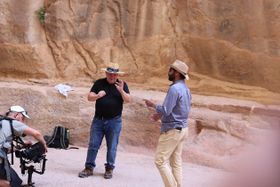
Mit Mamoun diskutiere ich das Pro & Contra seiner Entdeckung. Er vertritt die Auffassung, dass erst die Nabatäer diese spezielle Takelage entwickelten, um auf dem roten Meer erfolgreich Piraten zu bekämpfen. Dies tritt mit Sicherheit zu, doch waren eben die Nabatäer nicht die ersten, die dieses überlegene Segel aus den primitiveren Rahsegeln heraus entwickelten. //
I discuss the pros and cons of his discovery with Mamoun. He is of the opinion that the Nabataeans first developed this special rigging to successfully fight pirates on the Red Sea. This is certainly true, but the Nabataeans were not the first to develop this superior sail from the more primitive square sails.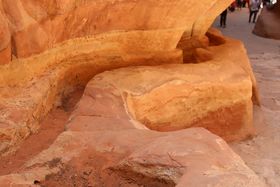
Ein weiteres Highlight im Siq sind die aus dem Fels gehauenen Wasserkanäle. Sie versorgten die Metropole mit ausreichen Wasser, das in den Wintermonaten über Tonröhren in mehr als 200 Zisternen geleitet und innerhalb der Stadt zwischengespeichert wurde. //
Another highlight in the Siq are the water channels carved out of the rock. They supplied the metropolis with sufficient water, which was conducted through clay pipes in more than 200 cisterns and temporarily stored within the city during the winter months.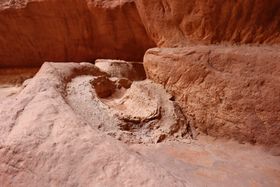
Das Wasser wurde in Tonröhren durch die Kanäle geleitet. Sie waren an den Steckverbindungen nicht nur vergipst, sondern auch im Inneren. Diese Methode hat die Fließgeschwindigkeit des Wassers stark verringert. Sonst hätte der Luftdruck im Inneren der Röhre diese gesprengt und damit unbrauchbar gemacht. Diese Details untermauern den hohen Kenntnisstand der nabatäischen Ingenieure. //
The water was conducted through the canals in clay pipes. They were not only plastered on the connectors, but also on the inside. This method greatly reduced the flow rate of the water. Otherwise the air pressure inside the tube would have blown it up and made it unusable. These details underscore the high level of knowledge of the Nabataean engineers.
Die sichere Wasserversorgung und strategische Lage machten Petra zu einer bevorzugten Station für Händler aus dem Süden Arabiens zu ihren Handelspartnern im damaligen östlichen Teil des Mittelmeers. Von dort wurden die Waren weiter in Richtung Europa und Nordafrika verschifft. Vielleicht sogar über den Atlantik? //
The secure water supply and strategic location made Petra a favored station for merchants from southern Arabia to their trading partners in the eastern Mediterranean. From there, the goods were shipped on to Europe and North Africa. Maybe even across the Atlantic?


+++++++++++++++++++++++++++++++++
A mysterious ship image in the Siq Petras
Petra was the trading center of the Nabataeans in what is now Jordan more than 2,000 years ago. In addition to the favorable location in terms of transport, the special topography contributed to the success of the metropolis. Petra is hidden between rugged rock faces. The place could only be reached via a gorge about 70 meters deep, the Siq (German "shaft").
The Siq still hides numerous treasures of world culture that are only known to a few historians. One is a unique representation of ships that shouldn't actually exist there. In addition, an ingenious irrigation system has been preserved in the Siq to this day. It is one of the engineering and technical achievements of the builders of the rock city.
The secure water supply and strategic location made Petra a favored station for caravans from southern Arabia, most of which were laden with luxury goods destined for buyers from across the Mediterranean. In the opposite direction, goods from the Levant reached the markets of distant Yemen and Oman via Petra.
These long-distance trades required highly complex means of transport. One of the special kind was recently discovered in Petra. It shows an antique sailing ship with a triangular cross sail. We already know this special rigging from predynastic Upper Egypt (3,500 BC) or our rock art expedition in the mountains of Tenerife (probably also from the early 3rd millennium BC). But how does such a sailor with a special rigging get into the Jordanian desert? Where did those traders get the knowledge about the triangle tether?
Archaeologist Mamoun Al Navafleh believes this is the oldest example of a lateen swift. However, this is only partially true, because as early as the 1st century B.C. These reappear among the Greeks after their first disappearance in the early Old Kingdom of Egypt. It was quickly adopted by the Romans and was the dominant rigging of Mediterranean merchant ships for more than 1,500 years.
It is quite extraordinary to rediscover such a sailor in Petra, Nabataean of all places. This rig has better aerodynamic properties than an old-fashioned square-rigger. Even the Phoenicians did not have this more efficient set of sails. Mamoun justifies that the Nabataeans used this rigging to successfully fight pirates on the Red Sea coast in particular and that knowledge of the triangular cross sail paved its way to the Mediterranean.
Another highlight is Petra's efficient water supply. Both industrial and drinking water were fed into the city via aqueducts carved into the rock. The highly complex water supply included more than 200 cisterns. This ingenious canal system must be described as a stroke of genius from antiquity and was an important prerequisite for the success of Petra.
